
This is an overview of agencies and organizations that provide various types of support to individuals who are blind or low-vision.
Massachusetts Agencies and Organizations
Massachusetts Commission for the Blind (MCB)
The mission of the Massachusetts Commission for the Blind is to serve residents of the Commonwealth who are legally blind by providing access to employment opportunities and social rehabilitation with the goal of increasing independence and full community participation.
MCB has three principal programs that support our mission:
- Social Rehabilitation – Promote and support independent living in a community-based setting
- Vocational Rehabilitation – Preparing consumers to engage in competitive integrated employment or supported employment and achieve economic self-sufficiency
- Turning 22 - Providing residential care, case management, and specialized services for DeafBlind and multi-disabled consumers
Service included, but are not limited to, rehabilitation teaching, orientation and mobility training, assistive technology, advocacy, and information about community resources.
To be eligible to receive services from MCB, a person must be a resident of Massachusetts determined and reported to be legally blind by an eye care provider pursuant to Massachusetts General Laws Chapter 6, Section 136.
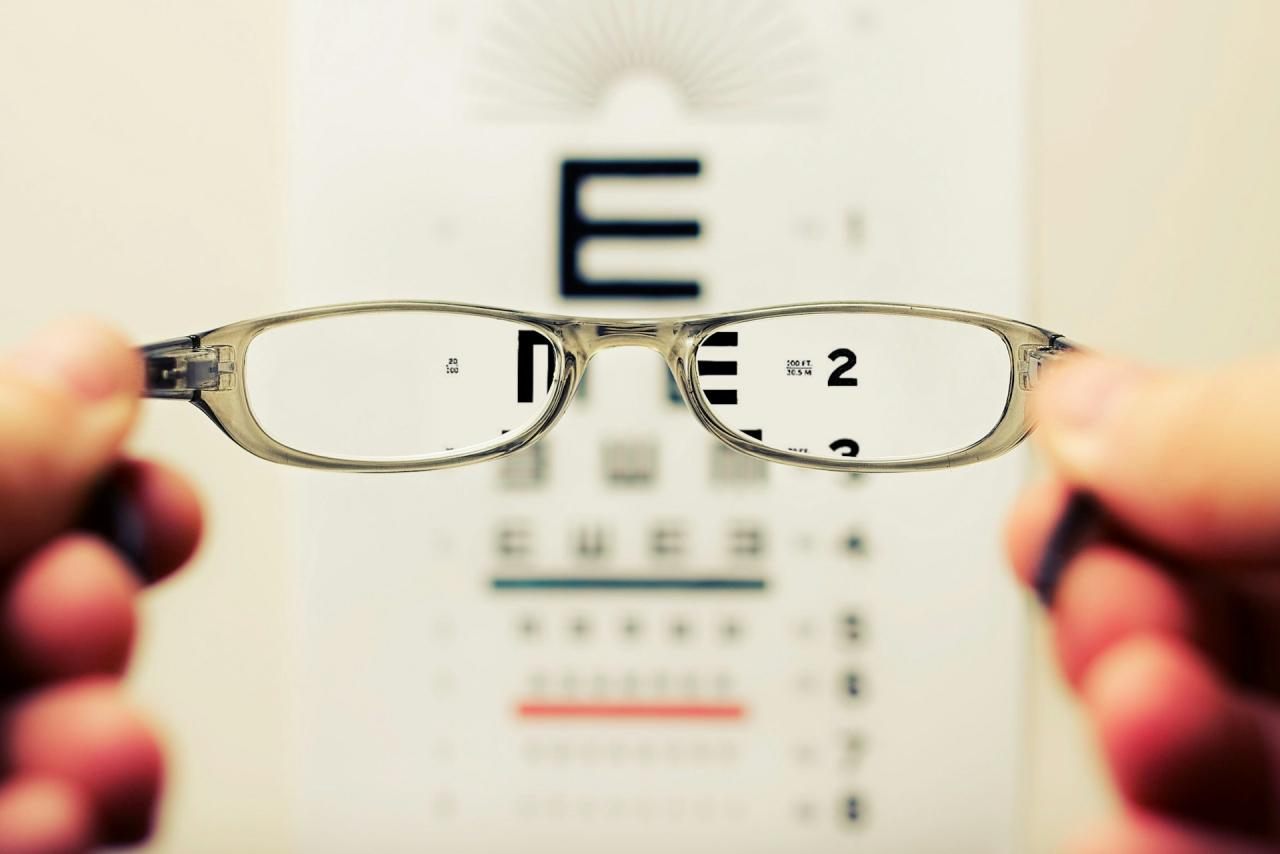
A person is considered to be legally blind if they have vision with correction of 20/200 or less in the better eye. Additionally, they may have a peripheral field of ten degrees (10°) or less regardless of visual acuity.
All eye care providers must report within 30 days all cases of legal blindness to MCB pursuant to Massachusetts General Laws Chapter 6, Section 136. Eye care providers must file a Mandatory Report of Legal Blindness with MCB for each patient they declare legally blind. MCB will review the report and certify the determination of legal blindness.
MCB’s Blindness Registry will mail a letter of determination to the patient and the eye care provider. If MCB certifies the determination of legal blindness, the patient will become registered with MCB and is assigned a counselor. The MCB counselor will contact the newly registered consumer for a complete explanation of benefits, programs, and services. A person must be registered with MCB to receive services from the agency.
For questions about the registration process or status, contact the MCB Blindness Registry by phone at 617-626-7415 or by email at BlindnessRegistry [at] mass.gov .
The Blindness Registry issues Certificates of Blindness and the MCB Identification Card which certify the consumer is legally blind and registered with the agency.
The MCB community consists of many partners and stakeholders across the Commonwealth who are committed to our shared mission of service. Based on their location, registered consumers are assigned to one of six MCB regions with their own dedicated staff.
Learn more about the Massachusetts Commission for the Blind. You can find their main office at 600 Washington Street, Boston, MA 02111 or find their Western Massachusetts office at 436 Dwight Street, Room 109, Springfield, MA 01103. You can contact their main phone at 617-727-5550 or toll free at 800-392-6450. Contact them by email at mcbinfo [at] mass.gov . You can find additional MCB contact information here.
Disability Law Center (DLC)
The Disability Law Center is the Protection and Advocacy (P&A) agency for the state of Massachusetts, a private non-profit organization providing protection and advocacy for residents with disabilities. DLC serves individuals who experience discrimination, abuse, neglect, or denial of services on the basis of disability. They provide legal services, information, referrals, technical assistance, and representation regarding legal rights and services as well as conduct training for community groups.
Learn more about the Disability Law Center. Find their office at 11 Beacon Street, Suite 925, Boston, MA 02108. Contact them by phone at 617-723-8455 or by email at mail [at] dlc-ma.org .
Massachusetts Office on Disability (MOD)
The Massachusetts Office on Disability is a small state agency that helps people understand disability law and regulations, including disability rights, reasonable accommodations, and other issues related to equal access and opportunity. While they don’t offer vocational rehabilitation or independent living services, they provide confidential support and information for any questions or concerns regarding the individual’s rights and services. They also provide information, remote consultation, and in-person visits for questions regarding accessible architecture. Additionally, this support is offered to municipal and local communities to help them better serve the public.
Learn more about MOD. Find their office at One Ashburton Place, Room 1305, Boston, MA 02108. Contact them by phone at 617-727-7440, by fax at 617-727-0965, or through the form on their website.
Lowell Association for the Blind (LAB)
The Lowell Association for the Blind (LAB) is a non-profit, community-based organization that supports visually impaired residents of the Greater Merrimack Valley. The office in downtown Lowell provides an easily accessible space for meetings, adaptive equipment training, Braille lessons, and a recording studio.
Learn more about LAB. Find their office at 169 Merrimack Street, 2nd Floor, Lowell, MA 01852. Contact them through the form on their website, by phone at 978-454-5704, by fax at 978-458-5563, or by email at labinfo [at] lowellassociationfortheblind.org .
Massachusetts Association for the Blind and Visually Impaired (MABVI)
The Massachusetts Association for the Blind and Visually Impaired (MABVI) is a social service organization that serves adults and seniors who are blind and visually impaired. Their services include occupational therapy with a specialization in vision loss, accessible technology training centers, individual and couples therapy for coping with vision loss, and monthly peer support groups.
Learn more about MABVI. Find their main office at 200 Ivy Street, Brookline, MA 02446 or their central office at 799 West Boylston Street, Worcester, MA 01606. Contact them by phone at 888-613-2777, by fax at 508-854-0733, or by email at mabvi [at] mabcommunity.org .
Massachusetts Equipment Distribution Program (MassEDP)
The Massachusetts Equipment Distribution Program (MassEDP) offers wired and wireless telephones to Massachusetts residents with disabilities. These landline telephones for low-vision and blindness include features such as Braille labels, large displays, amplified sound, backlit keypads, programmable buttons, and connections to assistive listening devices. Depending on income level, they are provided either for free or at a reduced cost, although they do not include service plans for wireless devices. Devices are also offered for hearing, motor, cognitive, and speech disabilities.
Learn more about MassEDP. You can find their main office at 151 Campanelli Drive, Suite A, Middleborough, MA 02346. Contact them by phone at 800-300-5658, by email at grant.harrison [at] mass.gov , or by fax at 508-947-1450.
Massachusetts Initiative to Maximize Assistive Technology in Consumer’s Hands (MassMATCH)
MassMATCH, created under the AT Act, is a Massachusetts state program that promotes the use of assistive technology through partnerships with community-based organizations. MassMATCH assistive technology resource centers operate all across the state to allow visitors to try and learn about assistive technology. They provide low or zero interest cash loans for devices and services, offer free refurbished wheelchairs, and provide training for educators, parents, and employers.
Learn more about MassMATCH. Find their office at 600 Washington Street, Boston, MA 02111. Contact them by phone at 877-508-3974, by fax at 617-204-3877, or by email at info [at] massmatch.org .
National Agencies and Organizations
American Council of the Blind (ACB)
The American Council of the Blind is a national advocacy organization with a network of local chapters, including the Bay State Council of the Blind (BSCB) that serves the Massachusetts area. Their national advocacy efforts have included collaborating on the passage and protection of the Americans with Disabilities Act (ADA), involvement with establishing the foundation for Section 504 of the Rehabilitation Act of 1973, the development of standards for accessible technology, and ongoing efforts to reform social security to create work opportunities.
ACB partnerships include the Federal Communications Commission (FCC), the Rehabilitation Services Administration (RSA), the Department of Education, and the Bureau of Engraving and Printing.
Learn more about ACB. You can find their national office at 1703 North Beauregard Street, Suite 420, Alexandria, VA 22311. Contact them by phone at 202-467-5081 or by fax at 703-465-5085. You can also contact BSCB using the form on their website, linked above.
American Foundation for the Blind (AFB)
The American Foundation for the Blind is an organization that conducts research, promotes education, mentorship and advocates for policies that benefit people who are blind or visually impaired. They publish the Journal of Visual Impairment and Blindness (JVIB), an international, peer-reviewed journal that offers immediate access to information from leading researchers in the field of visual impairment. They also maintain the Helen Keller Archive, an accessible repository of materials about and by Helen Keller, including correspondences, speeches, press clippings, detailed biographical information, and more.
Learn more about AFB. You can find their national headquarters at 1101 Wilson Boulevard, 6th Floor, Arlington, VA 22209. You can contact them through the form on their website or by phone at 212-502-7600.
The Department of Veterans Affairs – Blind Rehabilitation Services (BRS)
The Department of Veterans Affairs provides blind and visual impairment rehabilitation services (BRS) to eligible veterans and active-duty service members. Veterans Affairs is the first and only national healthcare system to integrate rehabilitation services completely and seamlessly into its health benefits for patients with vision loss.
Learn more about Blind Rehabilitation Services.
Lighthouse for the Blind
Lighthouse for the Blind is a private, non-profit organization that provides employment, support, and training opportunities for people who are blind, Deafblind, or visually impaired. Services include sign language interpretation for employees, mobility instruction, training courses, and accessible computer stations. There are Lighthouse locations across several US states.
Learn more about Lighthouse for the Blind. Find their headquarters at 2501 South Plum Street, Seattle, WA 98144. Contact them by phone at 800-914-7307 or by fax at 206-329-3397.
Lions Clubs
Lions International is a worldwide network of over 46,000 clubs dedicated to community action and support. Their SightFirst program builds sustainable eye care services, facilities, and training programs to underserved communities. Lions Clubs International also provides assistive technology to visually impaired community members nationwide. Between July 2022 and January 2023, they awarded 53 vision-related grants totaling over $6 million USD. The Lions is a community of 1.4 million members, including their youth chapter, known as Leo.
Learn more about Lions Clubs vision services.
National Federation of the Blind
The National Federation of the Blind (NFB) is a nationwide organization that consists of affiliates, chapters, and divisions in all 50 states.
Through its network of blind members, it coordinates many programs, services, and resources, providing information and support to children and adults. It offers training and career mentoring, as well as scholarships and awards. Additionally, the NFB sponsors the Free White Cane Program where any blind individual in the fifty states, the District of Columbia, and Puerto Rico can request a cane for their personal use. Requests can be made as often as every six months.
Learn more about NFB. You can find their national headquarters at 200 East Wells Street at Jernigan Place, Baltimore, MD 21230. Contact them by phone at 410-659-9314, by fax at 410-685-5653, or by email at nfb [at] nfb.org .
Job Accommodation Network (JAN)
The Job Accommodation Network (JAN) works with employers to provide accommodation solutions and practical guidance on compliance with the Americans with Disabilities Act (ADA). They provide free, confidential, individualized consultation to job-seekers, employees, employers, family members, educators, and medical professionals to support successful employment outcomes in healthy work environments. This instruction is one-on-one and available both online and over the phone.
Learn more about the Job Accommodation Network. Contact them by phone at 800-526-7234 or by fax at 877-781-9403. Live chat for employers is also available on their website.