The Polus Center has worked to improve the lives of people with disabilities in Colombia since 2005. The devastation caused by landmines, improvised explosive devices, and coca eradication activities is immense. Not only do those who are caught in the crossfire of conflict or injured in the line of duty suffer physical injuries and psychological trauma, but a tremendous burden is also placed on their family members who often then have to act as caretakers.
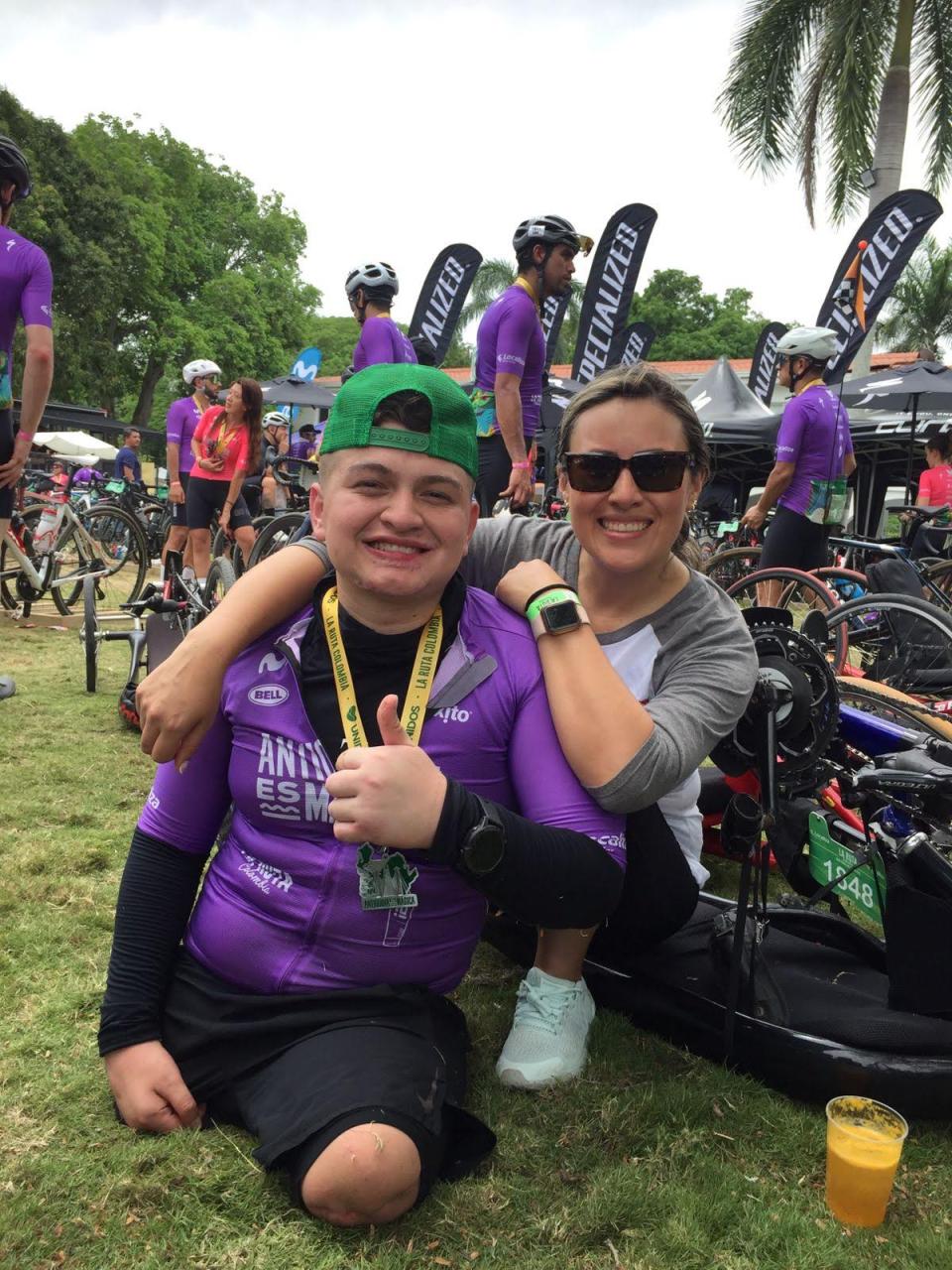
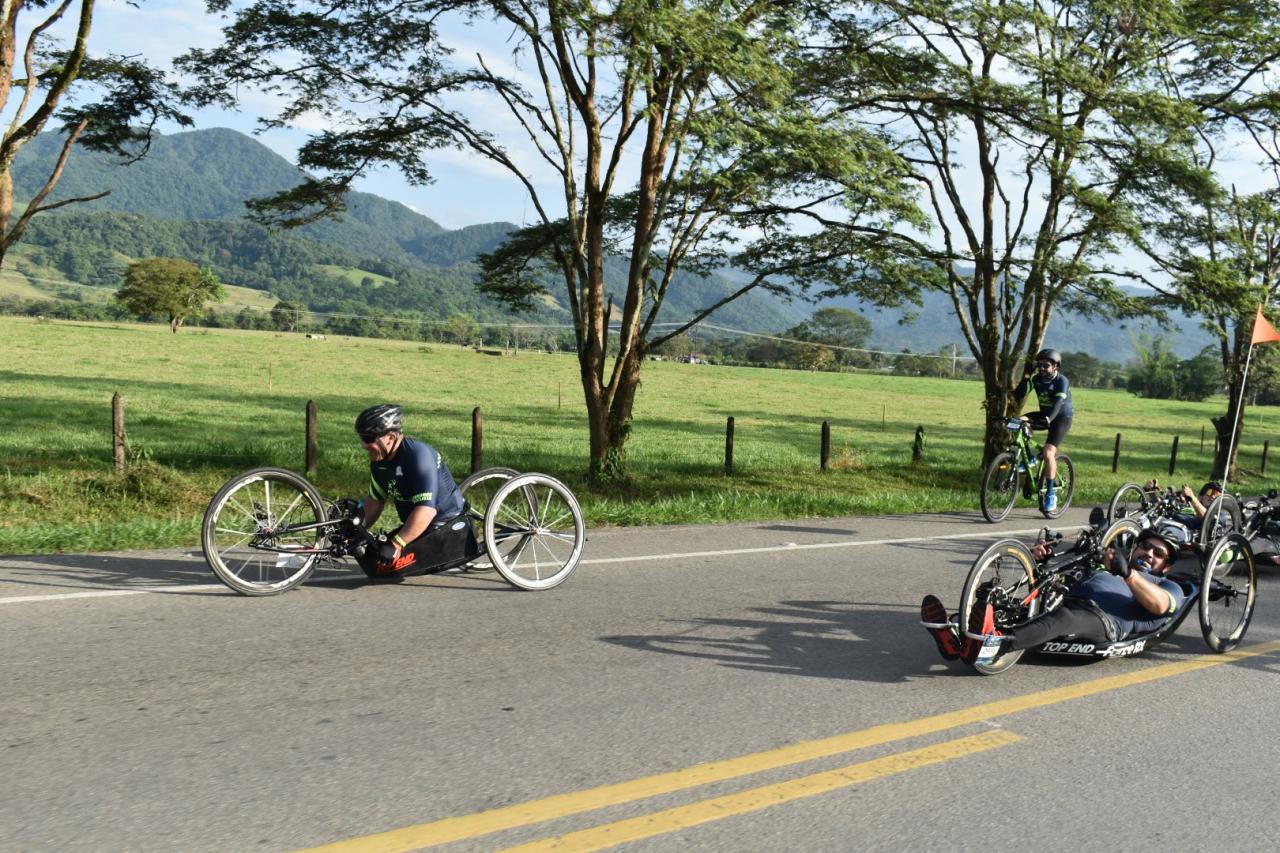
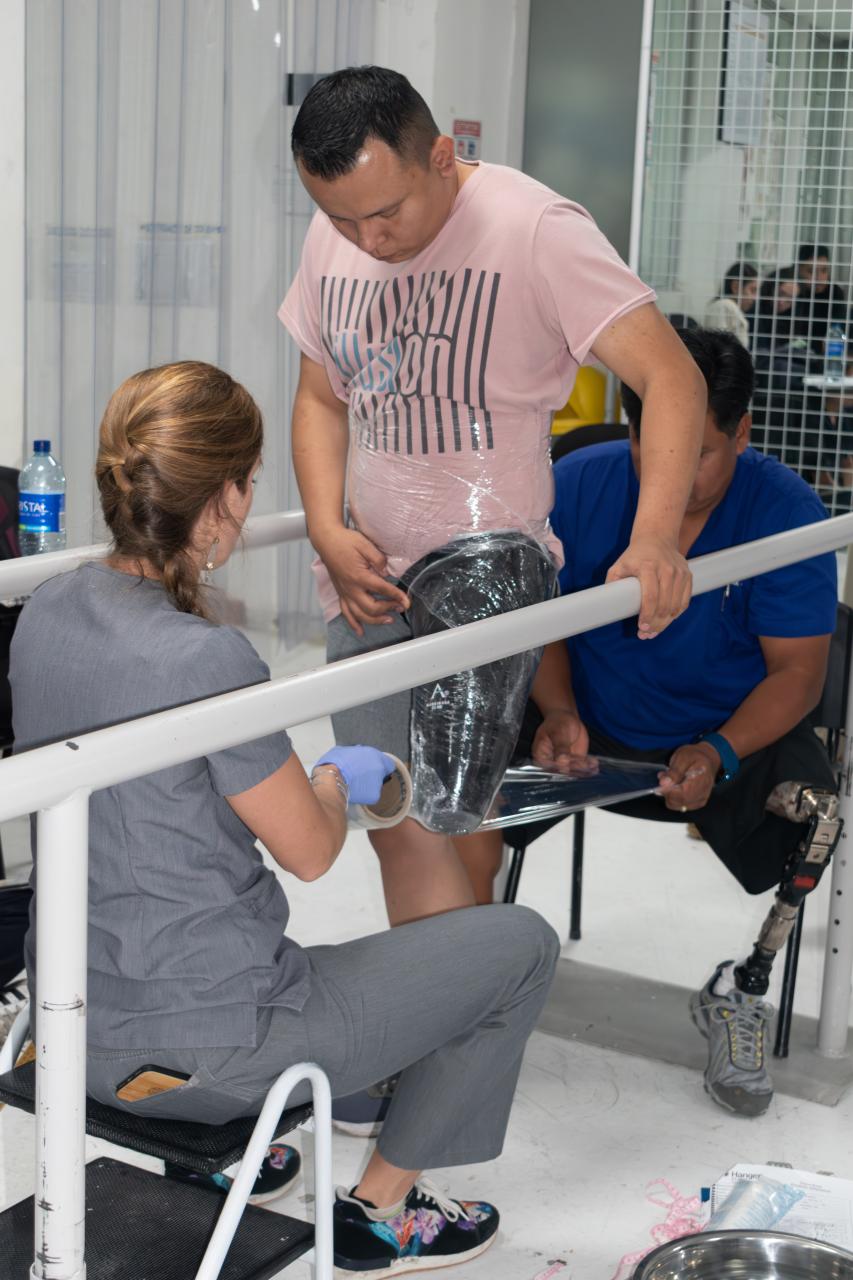
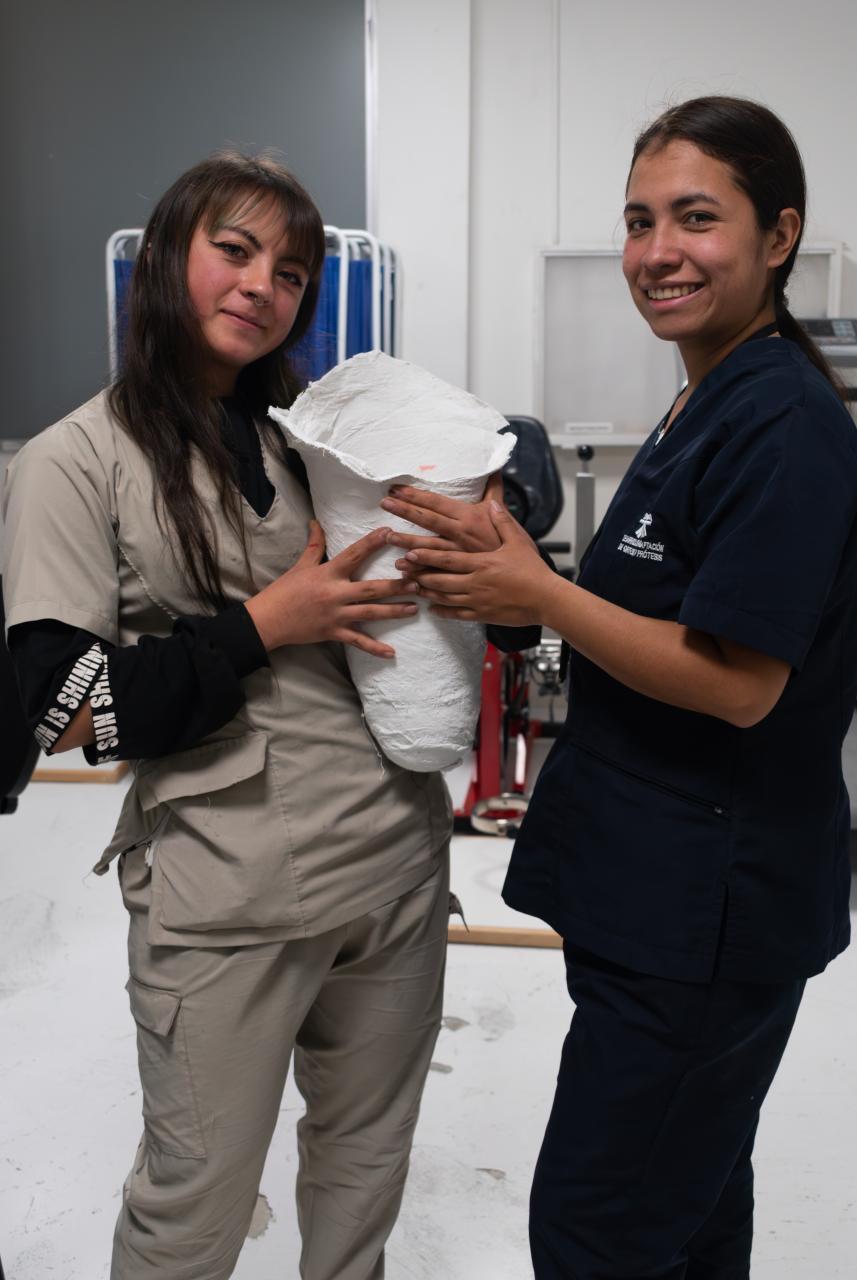
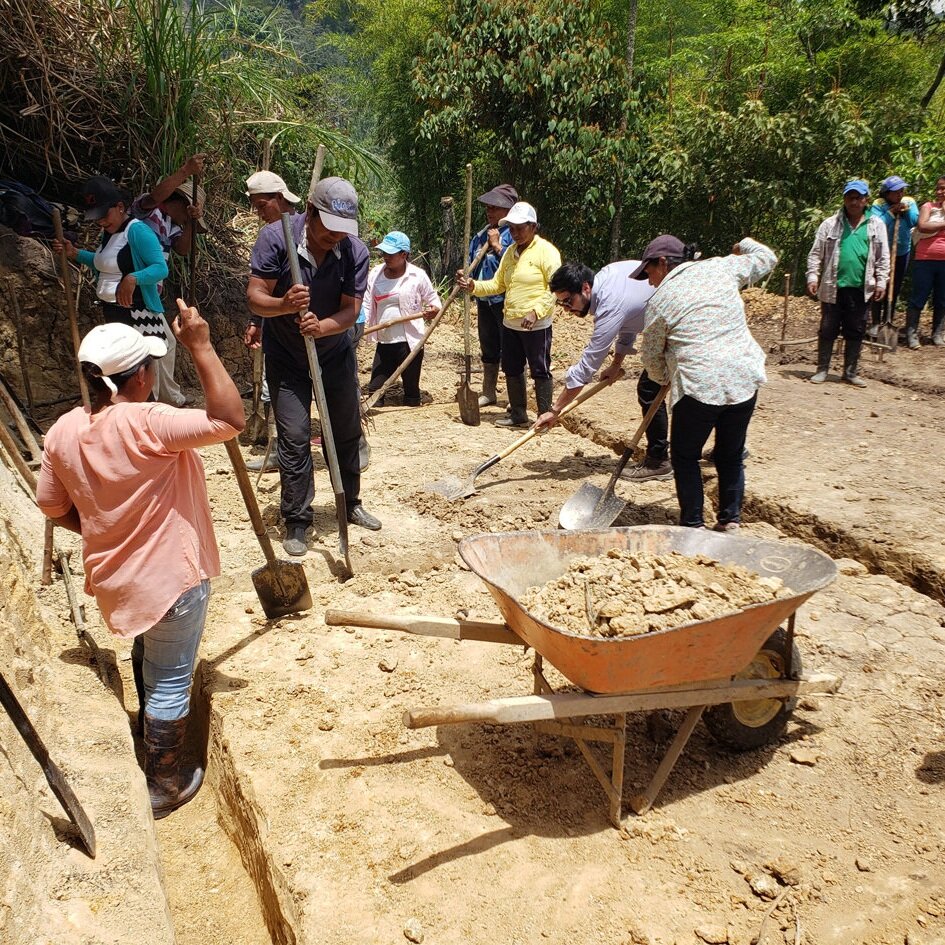
Our person-centered programs in Colombia offer rehabilitation services to disabled persons, including prosthetic limbs, and professional training in technical careers to help people rebuild their lives. Polus has assisted in the development of small businesses for selected beneficiaries. These programs are designed to help both landmine survivors directly, and by offering pathways to employment, which also help their families and communities by improving local economies.
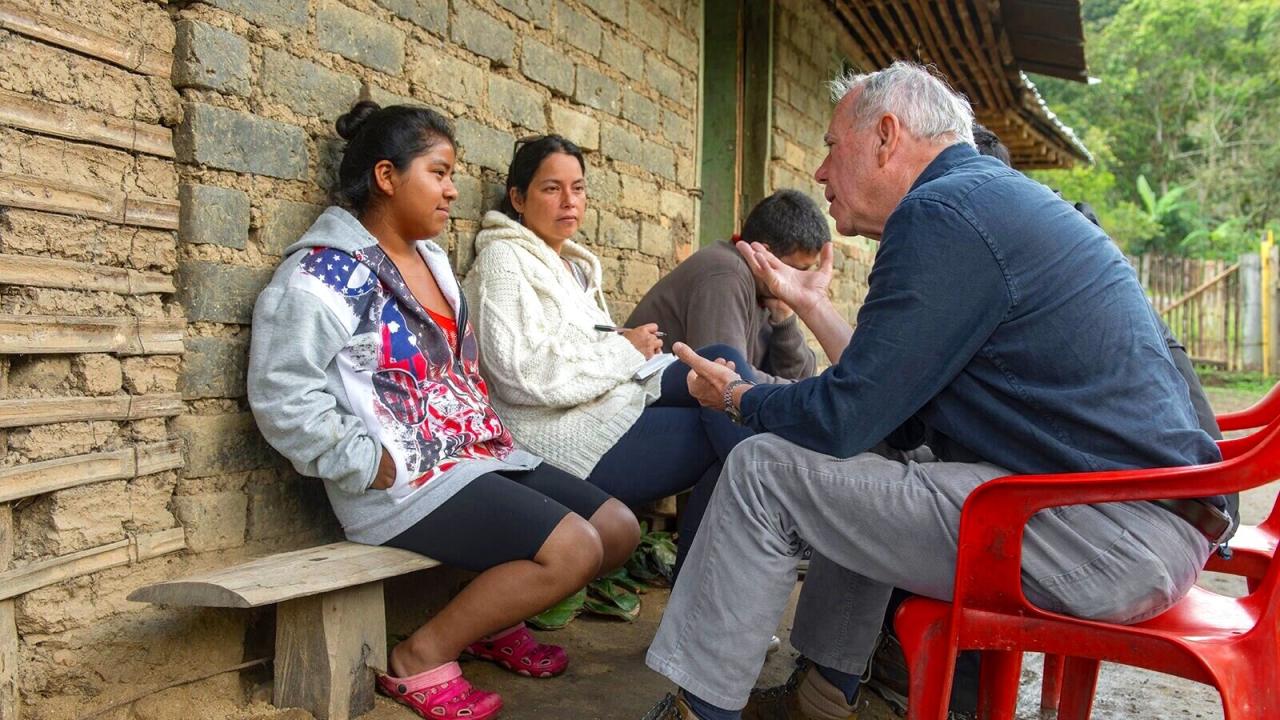
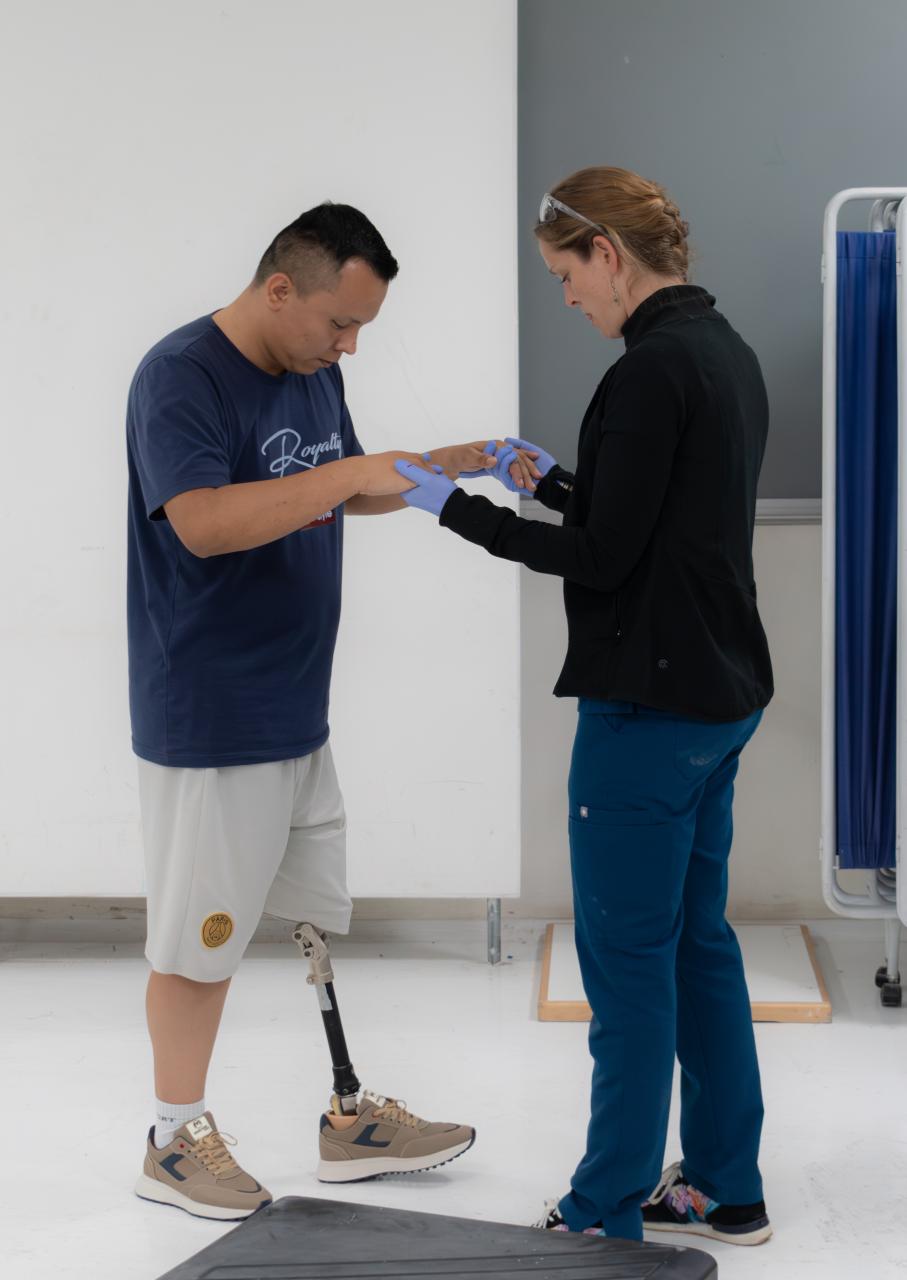
Providing high-quality prosthetic services is central to the Polus Center's mission. The Polus Center opened its first prosthetic program, Walking Unidos, in Nicaragua in 1997. Since this time, Polus has been providing prosthetic and orthotic services in many countries around the world, focusing on fabricating and fitting mobility aides. Polus has established programs throughout South and Central America, the Middle East, and Africa and currently supports programs in Colombia, Jordan, and Iraq in partnership with the US Department of State and private foundations. From working with coffee farmers and people living in rural communities in Colombia to working with the Colombian National Police, providing prosthetic services to people has been a core component of each Polus Center project in Colombia.
Heroes for Advocacy – Colombian National Police Disabled Persons Organization
Past program (2021–24)
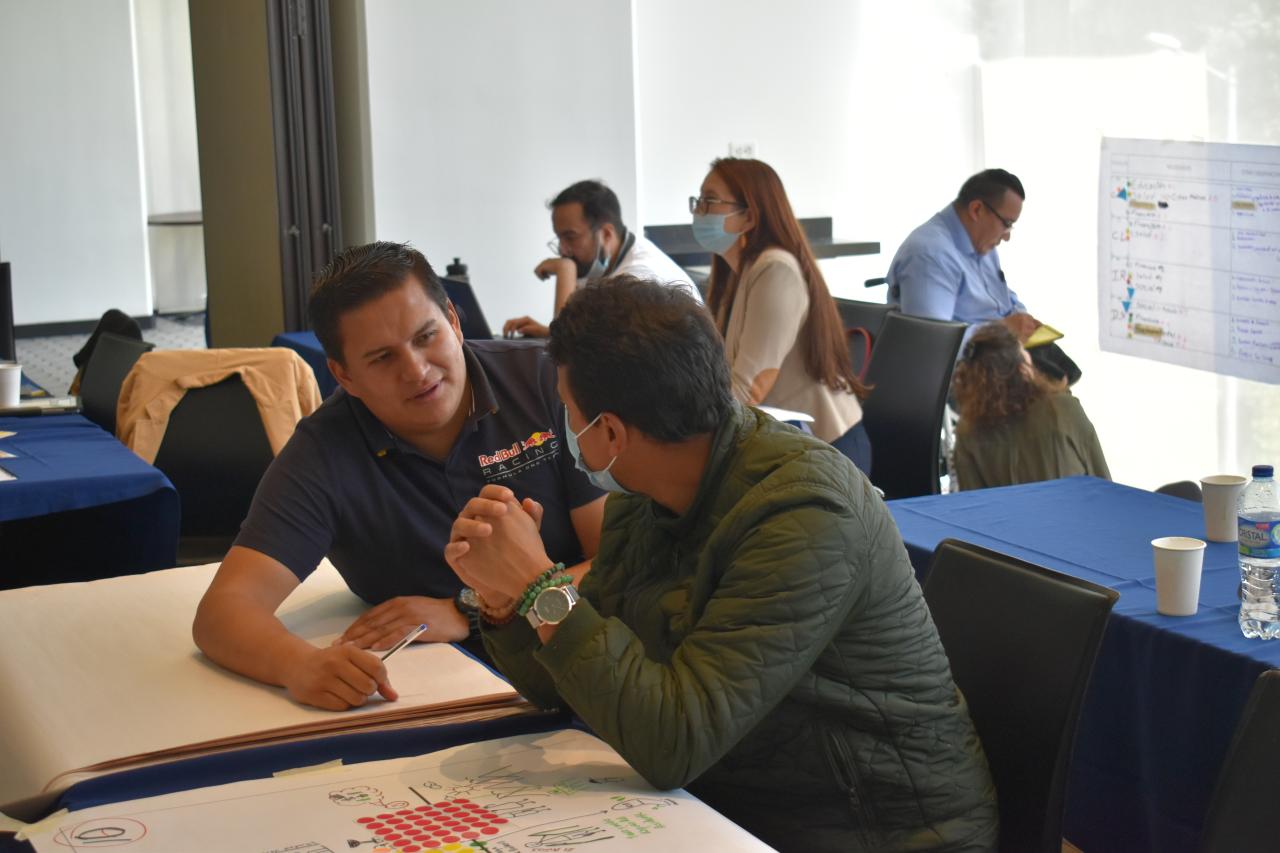
This project was designed to assist the disabled population of the Colombian National Police, especially those officers who have been injured in the line of duty during eradication, interdiction, and rural security operations. With this initiative, the Polus Center increased the capacity of the Colombian National Police to support these officers in their rehabilitation and reintegration into society by addressing their re-education, employment, and rehabilitation needs.
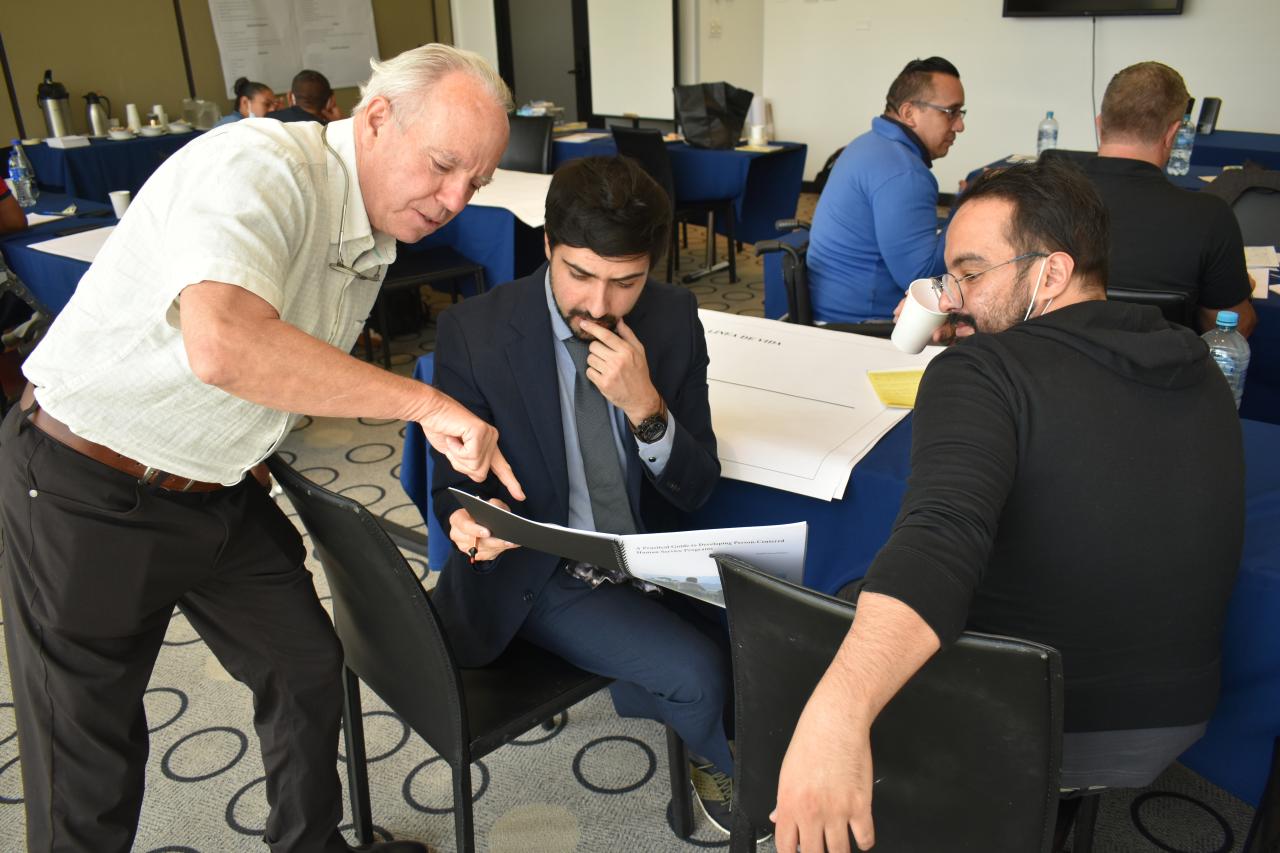
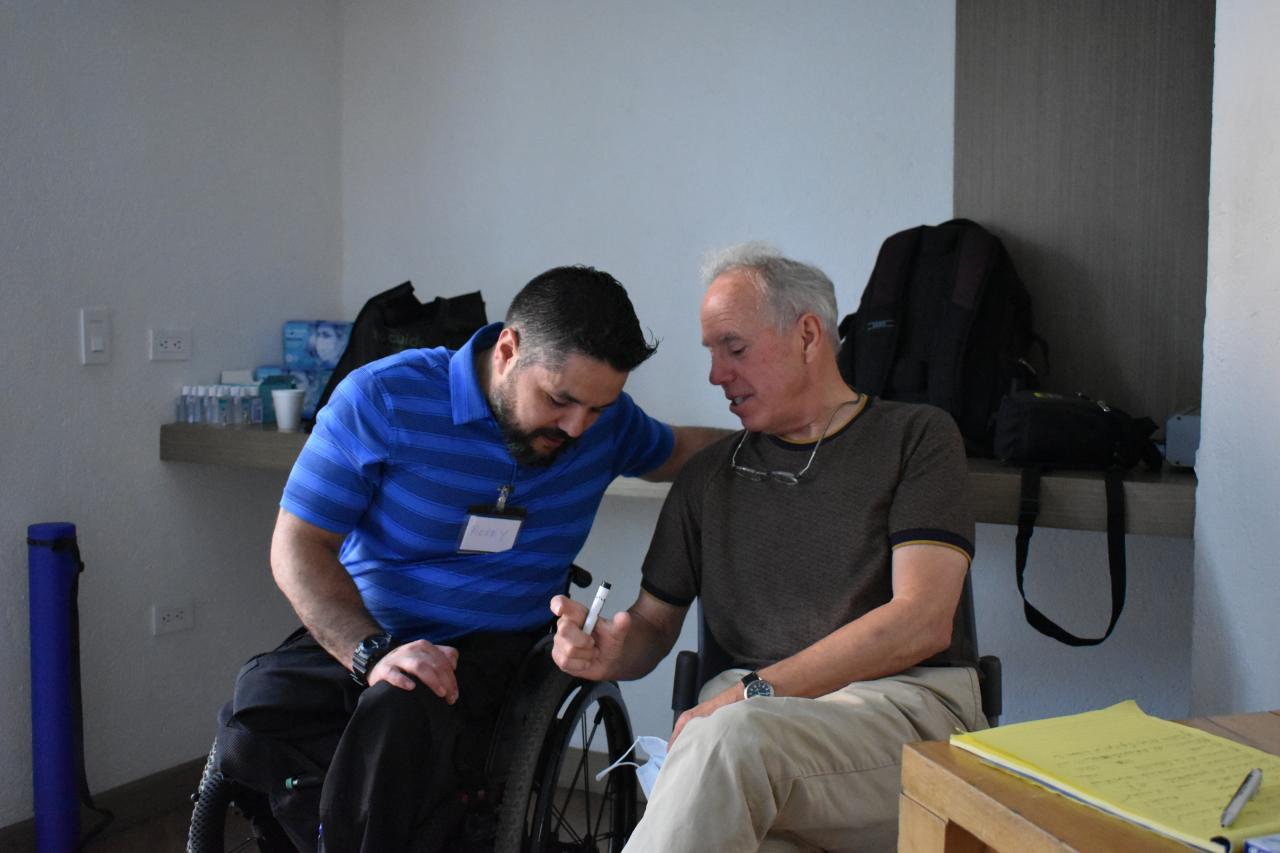
The Polus Center’s Service Coordination Model has helped guide individual beneficiaries on how and where to access services that help disabled police access entitlements, benefits, and rehabilitation services, in addition to identifying their training and employment goals. The Polus Center's well-established landmine/explosive ordinance survivor programs using this model have supported over 350 conflict survivors in Colombia (especially in Narino, Cauca, Caldas, and Antioquia).
Funding for this project was provided by the U.S. Department of State’s Bureau of International Narcotics and Law Enforcement Affairs.